Kevin Leo-Smith, a leading expert in Southern Africa’s safari industry, has outlined the following Safari Calendar. With extensive knowledge in conservation development, safari tourism, business development, and agribusiness, particularly in the African context, Kevin provides valuable insights:
May
Floodwaters from Angola commence their journey towards the northern Okavango Delta, initiating a gradual and deliberate progression through the Delta’s intricate channels.
With the cessation of rains, the nights become cooler, with average temperatures around 15°C. Daytime temperatures, although still warm, have mellowed, and maximum readings rarely exceed 35°C. Carrying a jacket is advisable for night drives.
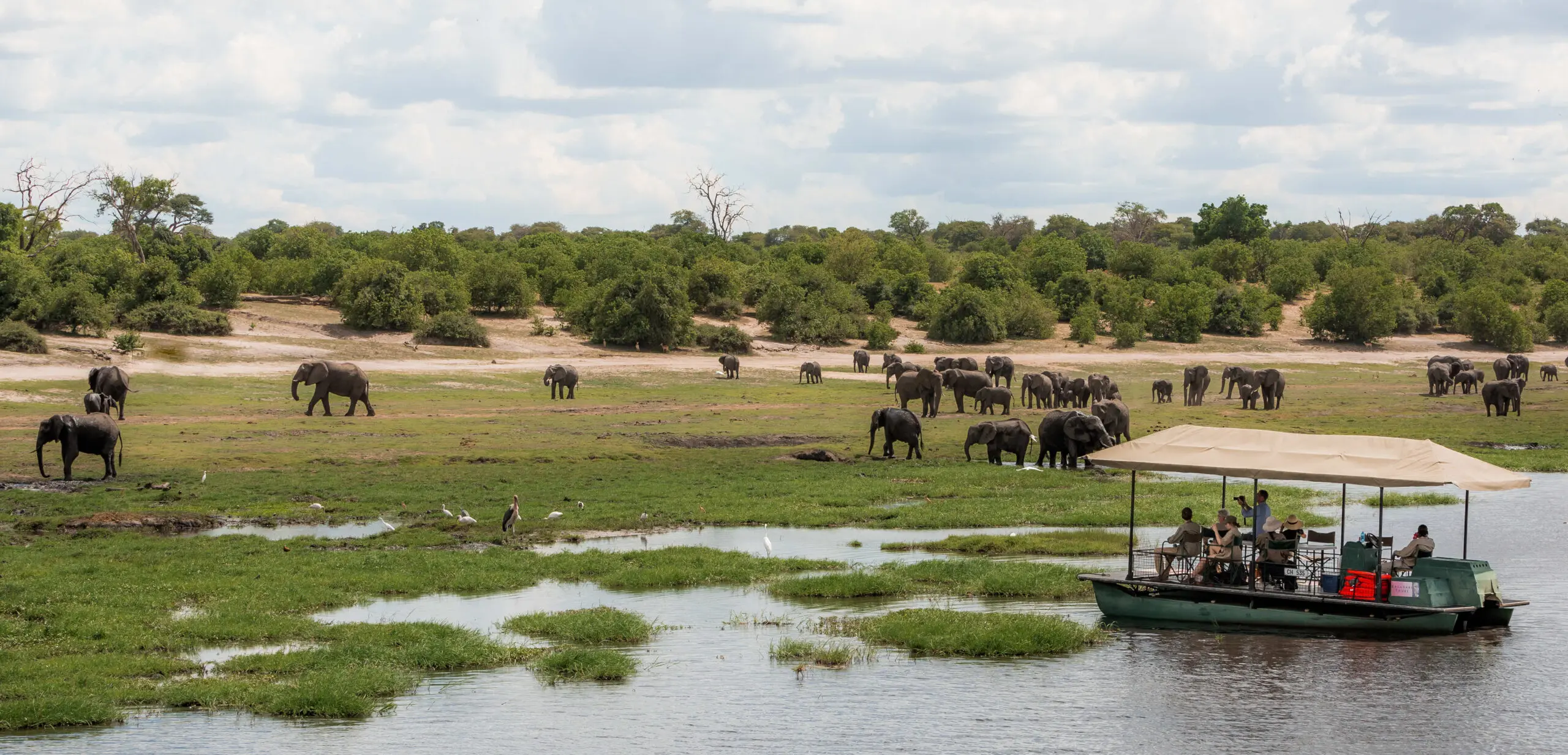
Buffaloes start congregating into sizeable herds and frequent the rivers more often as the seasonal pans gradually desiccate. Breeding herds of elephants also witness an increase in numbers, as they frequent the perennial water sources.
The lush greenery begins to wane, transitioning into the subtler, drier hues of the impending dry season. Predators blend back into their surroundings, once again enjoying the advantage of camouflage. Migratory birds embark on their flights to distant feeding and breeding grounds.
June
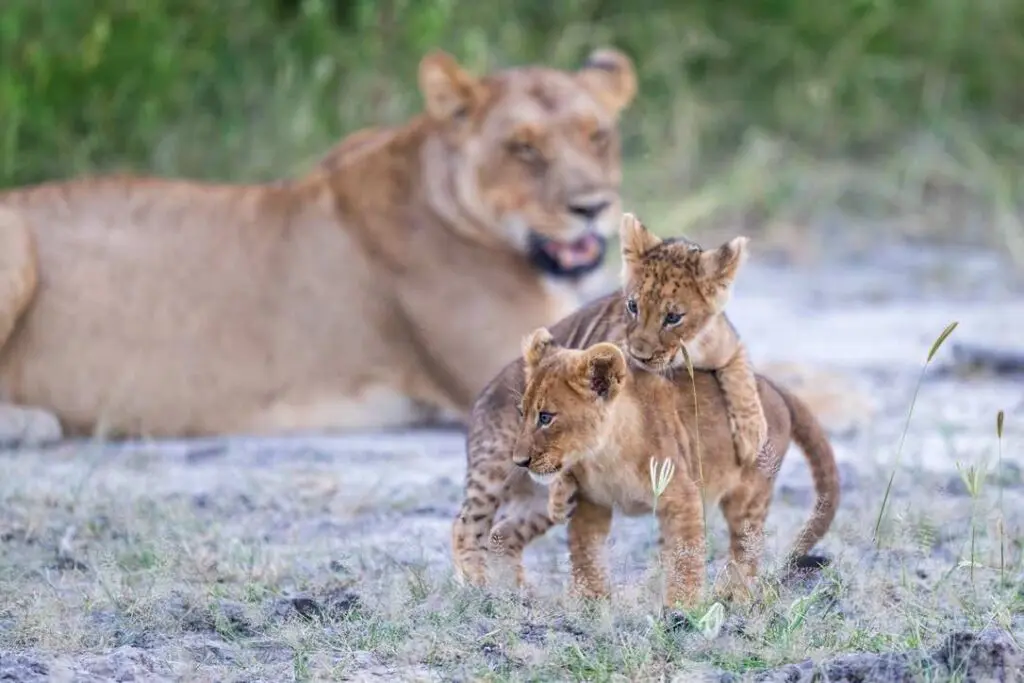
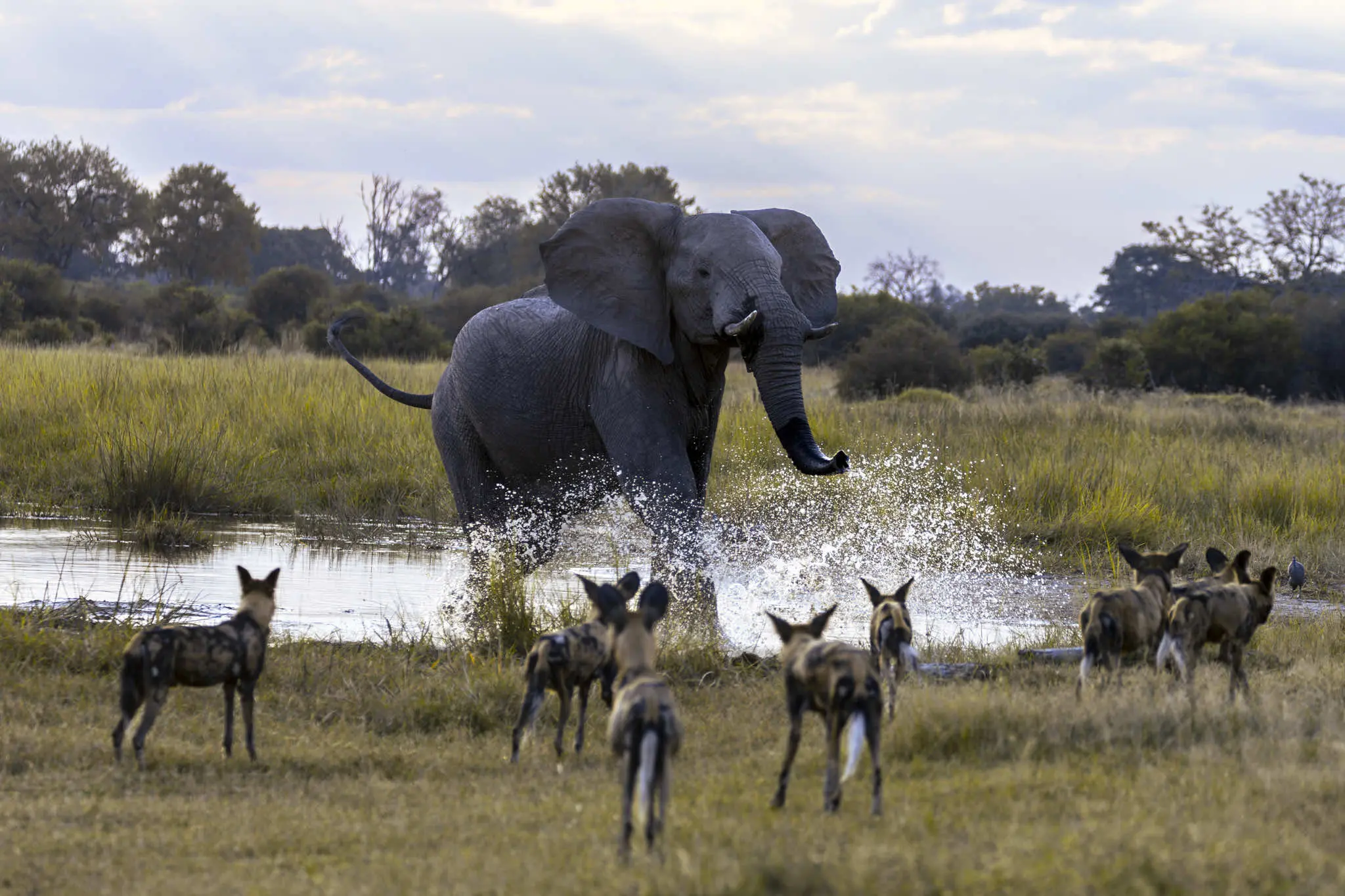
June – what an exhilarating time! The African Wild Dogs embark on their quest for den sites, and our guides remain vigilant, closely monitoring their movements in the hope of discovering these dens.
Once they establish their dens, these endangered species become more easily observable for 3-4 months as they conduct their activities from these denning sites. This period promises thrilling hunts and endearing interactions with playful puppies – a safari experience beyond compare!
As June progresses, temperatures reach their chilliest, with night readings plummeting to as low as 5°C (resulting in very cold conditions during night drives due to wind chill). Daytime temperatures reach a pleasantly comfortable 25°C, and the landscape is characterized by dusty and arid conditions.
While some green vegetation persists, foliage starts to drop, and seasonal pans gradually desiccate. Animals congregate around the permanent water sources, drawing predators into the same areas.

July
The floods make their way to Botswana, journeying slowly from the wet Angolan highlands located thousands of kilometers away. The paradox is evident – the flood arrives amidst the prevailing dust and aridity, long after the rains have ceased.
Leaves gracefully descend from the trees, grasses gradually recede, and visibility improves day by day. The nights maintain their chill, yet the days offer a slight increase in warmth, characterized by Botswana’s typical weather – sunny and clear. Animals progressively gather around water sources and flood plains, creating a truly special time of year.
Water infiltrates areas where it was absent the previous day, enhancing the allure of mekoro and boat trips, as they can now explore new locations. The gentle light of early mornings and evenings, combined with the ambient dust, provides numerous captivating settings for photography.
August
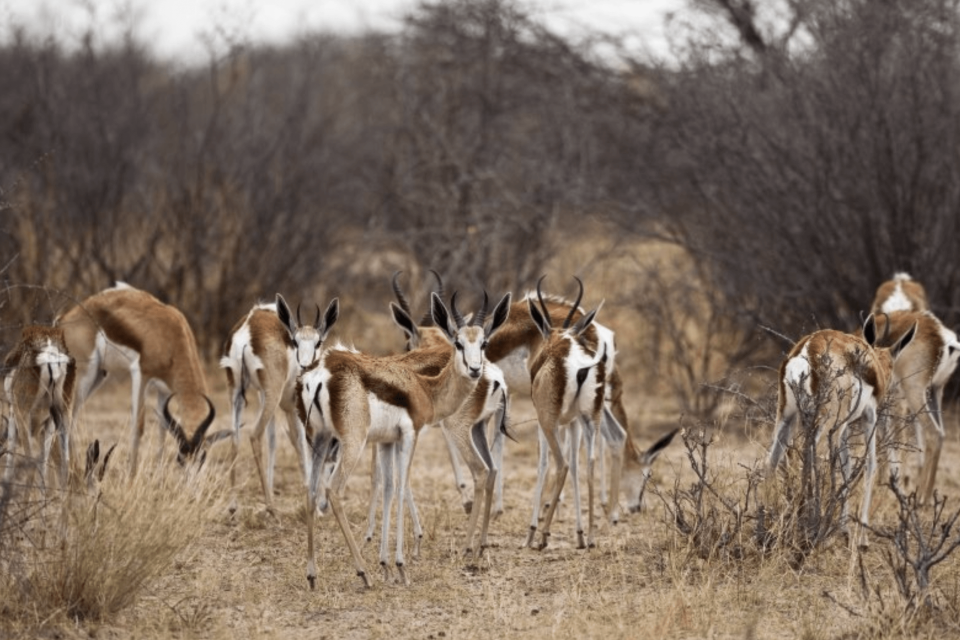
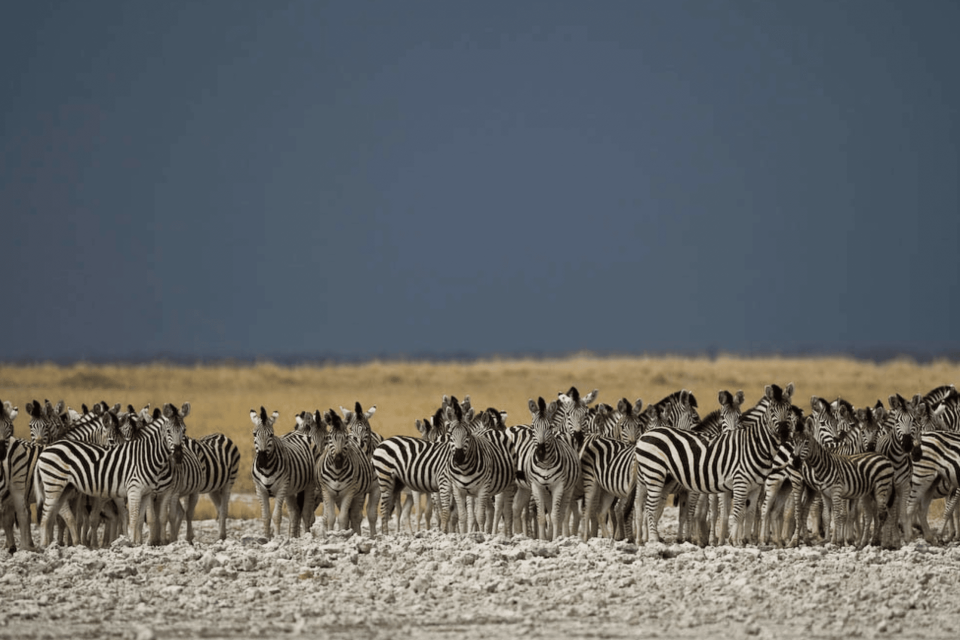
The herds are growing in size, and competition for space near the water gives rise to tensions between the breeding herds of elephants, creating nights filled with resonating elephant sounds.
The bush stands bare, and the pervasive dust persists, yet the vitality of the surroundings is concentrated and, with patience and persistence, the rewards are substantial.
The weather is progressively warming, extending even into the nights, as daytime temperatures approach an average of around 30°C. Nighttime averages rise to approximately 10°C. This marks yet another exceptional period and the peak of the visitor season.
September
The climate has undergone a transformation, bidding farewell to winter. Night temperatures climb swiftly within the month, and by its end, averages reach 15°C and above. Daytime temperatures surge well into the 30s°C. The sun casts its brilliance, the skies stretch clear, and the air is remarkably dry.
Remarkably, elephant herds gather in even greater numbers, as do the buffalo, keeping the predators occupied as the season’s toll weighs on the prey species – a period of abundance for the lions.
Colours erupt as the carmine bee eaters return from their winter sojourn, and other migratory birds begin their arrival. The water levels have gradually started to recede, as the waters from Angola conclude their journey.
Fish become more active, and some trees sprout their initial green shoots, nurtured by the floodwaters and temperatures, rather than by rain, as the first rains are still about six weeks away.
October
The heat is intense – truly scorching, yet the game viewing experience is unparalleled, certainly worth the perspiration. Daytime temperatures frequently surge beyond 40°C, while the nights remain warm, averaging in the 20s°C. Commence your activities early and extend them late into the day – that’s the strategy.
Nowhere to seek shelter, everything stands exposed, and the grasses are either consumed or trampled. Nighttime drives are at their prime, and the prevailing dust lends a dramatic edge to every scene.
Predator pursuits stir up clouds of dust, as the timeless dance of predator and prey unfolds daily across the vast open plains.
The rivers witness fishing frenzies during the annual catfish (barbel) run.